 by
by New Speed Control System in Colorado
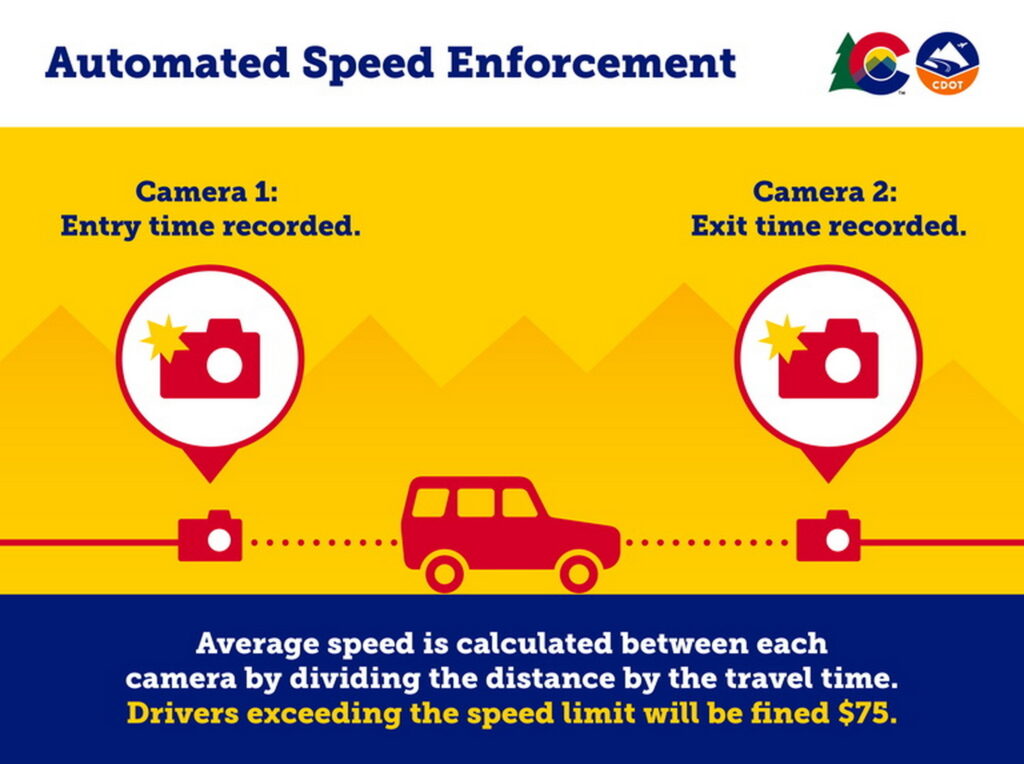
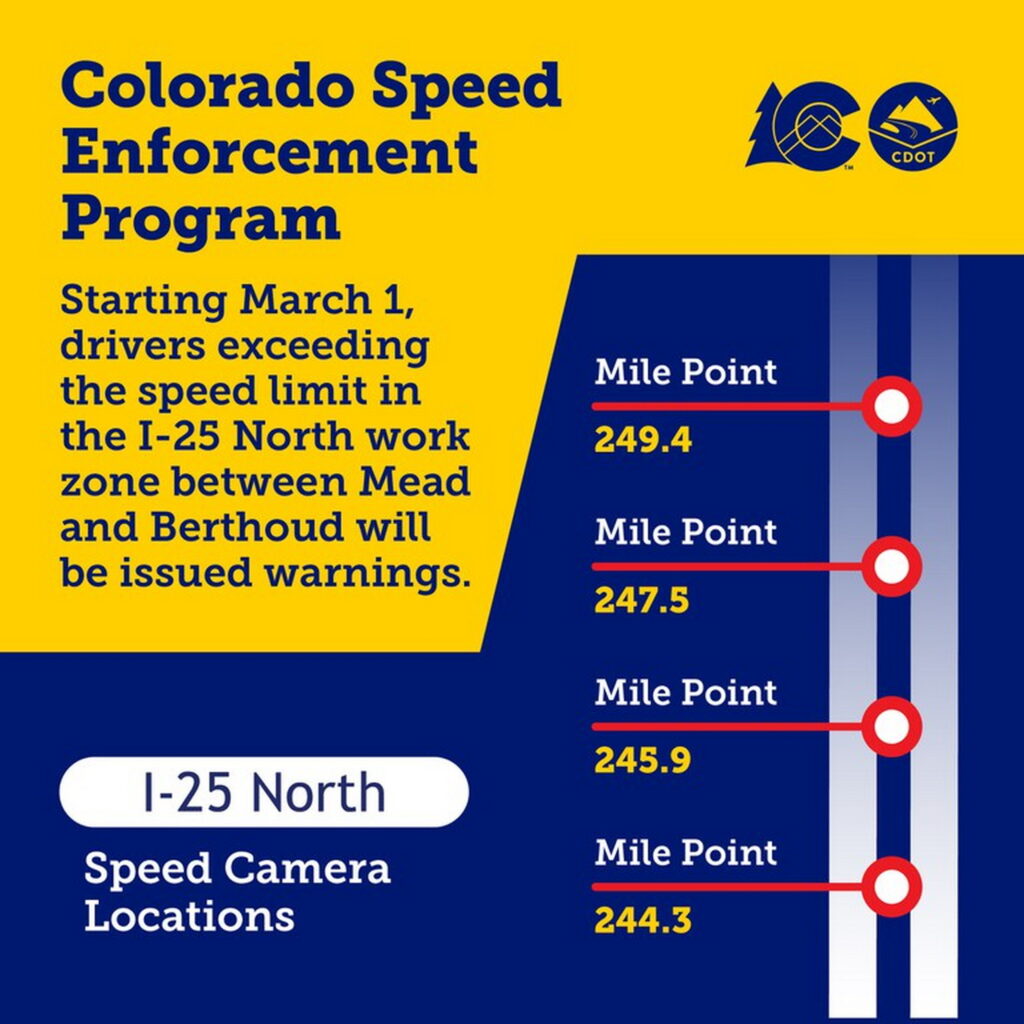
A fundamentally new system for automatic speed violation detection has become operational on a section of the interstate highway I-25 in Colorado. Instead of the usual radars that record instantaneous speed at a specific point, eight cameras have been installed that measure a vehicle’s average speed over approximately six miles.
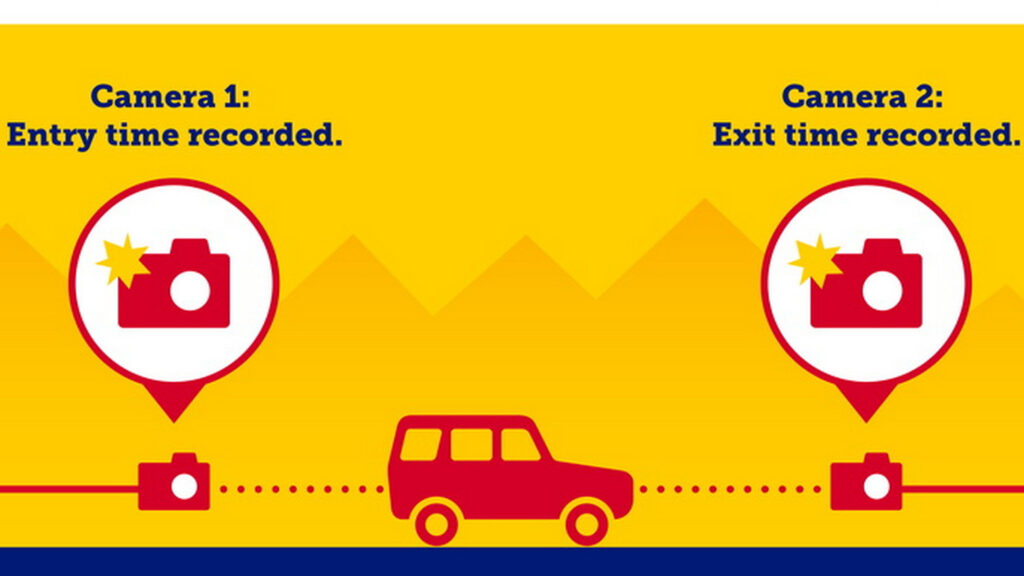
The system operates on the following principle: cameras located in both directions of travel capture a vehicle and the time it passes several control points. Then a computer calculates the average speed on that segment. If it exceeds the permitted 65 miles per hour by more than 10 mph, the vehicle owner receives a $75 fine by mail.
Impossibility of Fooling the System
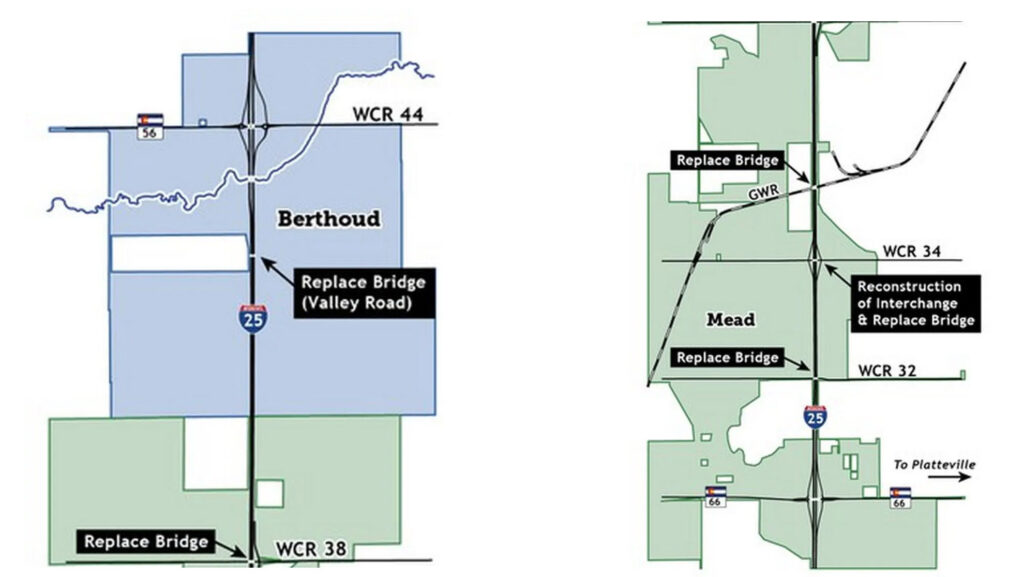
The main feature of the new system is its practical invulnerability to conventional methods of evading fines. If previously a driver could brake sharply before a known camera and then accelerate again, such a trick will not work now. To avoid a fine, it is necessary to adhere to the permitted speed on the entire controlled section of the road, which runs through a construction zone between the towns of Mead and Berthoud.
Preliminary Results and Implementation Goals
The system’s warning period, which began on March 1, has already shown significant effectiveness. The Colorado Department of Transportation (CDOT) sent out over 4,100 warnings, and the number of drivers exceeding the speed limit in the corridor dropped by 90 percent.
“The goal is not to punish drivers, but to prevent crashes before they happen. Speeding continues to be a contributing factor to crashes and fatalities in Colorado. Safe speed saves lives — it’s that simple,” said CDOT Chief Engineer Keith Stefanik.
The construction zone where the cameras are implemented stretches approximately from Colorado Highway 56 to Colorado Highway 66. Work is ongoing here to build new express lanes, widen shoulders, reconstruct bridges, and straighten sections of the highway. The project is expected to last until 2028.
Rules and Consequences for Drivers
The cameras are not hidden — signs warning of automatic control are installed at least 300 feet before the start of the monitoring zone. It is important to note that the fines are civil, not criminal violations. This means they do not add points to the driver’s license and likely will not affect insurance rates. However, if drivers ignore the fines, the state may take additional measures to collect them.
Similar average speed systems have already proven their effectiveness in many countries worldwide for improving road safety, especially in construction zones. The implementation in Colorado is taking place against the backdrop of a nationwide fight against speed-related accidents. Although the system is new to the state, its logic is transparent: instead of instant “hunting” for violators at one point, it creates a new behavioral model, forcing drivers to constantly control their speed in dangerous areas. The success of the warning period indicates that the factor of constant monitoring, rather than severe fines, may be key to changing driving habits and achieving the main goal — saving lives.