 by
by Chinese scientists have created an almost perfect black paint for cars
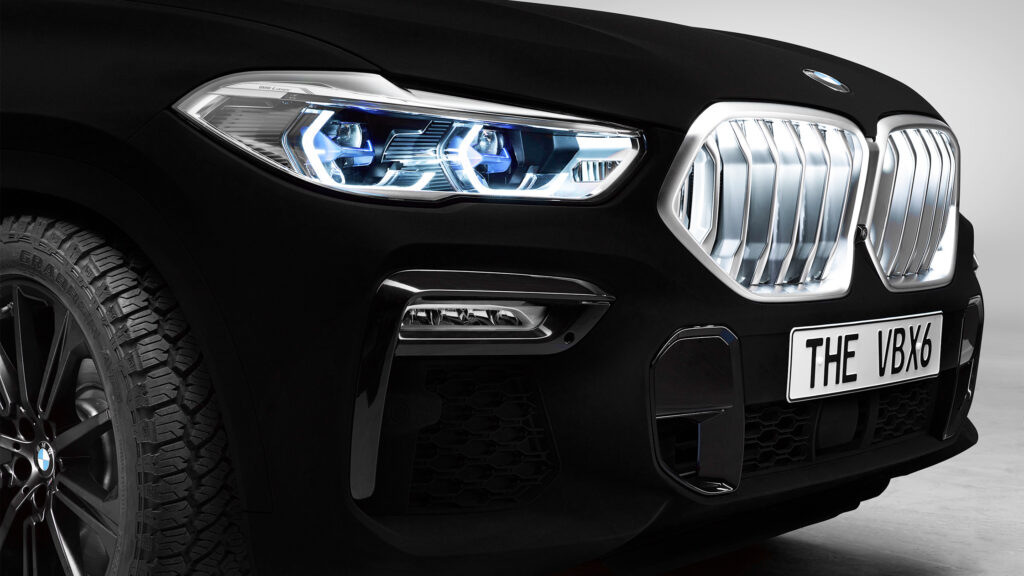
In 2019, BMW introduced the X6 SUV painted in Vantablack. The result looked less like a car and more like a hole cut out of space. This color, developed by the British company Surrey NanoSystems, absorbs 99.965% of light, making a three-dimensional object visually flat, like a two-dimensional silhouette. Many hoped BMW would put such paint into production, but that never happened.
However, researchers from China claim to have created a light-absorbing paint almost identical to Vantablack that can be produced on an industrial scale. While the original Vantablack used a material of billions of vertically aligned carbon nanotubes, the Chinese analog changes the formula to make it practical for automakers.
How the new technology works
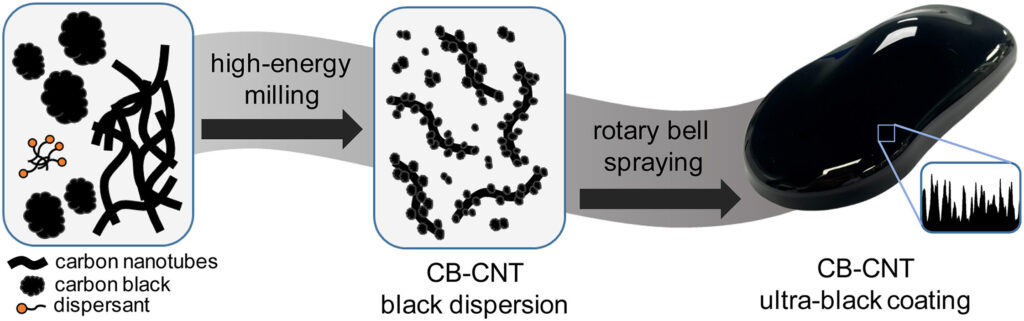
The formula is based on nano-sized carbon black and carbon nanotubes purchased from external suppliers. According to the research team — Zhiwei Liu, Changyi Pan, and Jett Cui — carbon black particles settle along the nanotubes, creating an uneven surface with microscopic peaks and valleys that do the main work.
When light hits the surface, it reflects inside these valleys rather than escaping. By mixing carbon black and nanotubes with deionized water, a dispersant, and a deformant, they managed to create a coating that absorbs more than 99.90% of light.
Testing and durability of the coating
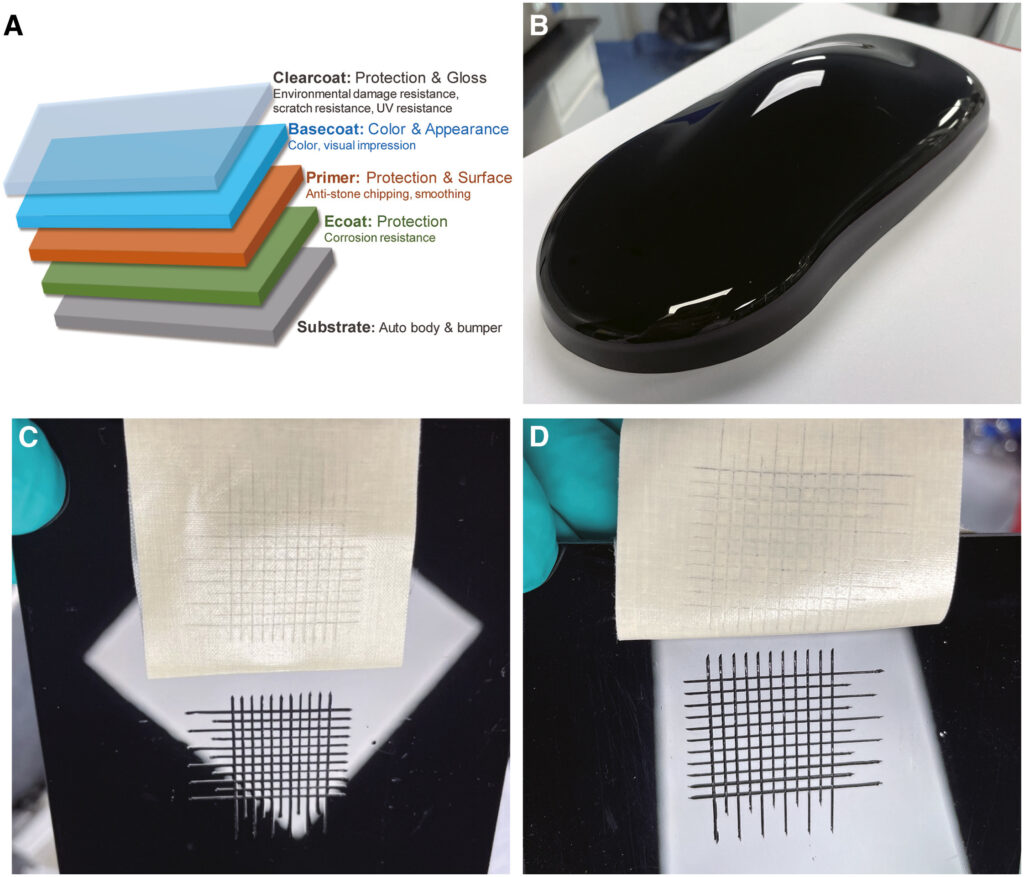
Tests conducted by the researchers showed that the paint withstands humidity levels up to 95% at a temperature of 40 °C (104 °F). Additionally, panels were submerged in water for 10 days and showed no visible signs of damage.
Commercialization prospects
It is important to note that this does not mean a black car will appear at a local dealer soon. The study, published in the journal Matter & Light, focused on testing the adhesive properties of the paint and determining whether it could survive on a car. This stage was passed, but manufacturers still need to test resistance to ultraviolet light, scratches, corrosion, and stones before the paint can be commercialized.
BMW’s Vantablack X6 prototype.
This development opens new horizons for the automotive industry, as creating a practical version of the “blackest black” color could change perceptions of car design. Although serial production is still far off, successful tests for moisture and water resistance suggest the technology has potential. It is worth noting that even if the paint appears on the market, its use may be limited due to safety considerations — overly dark cars are less visible on the road at night, creating additional risks for drivers and pedestrians.