 by
by New Porsche Technology: Color-Changing Body
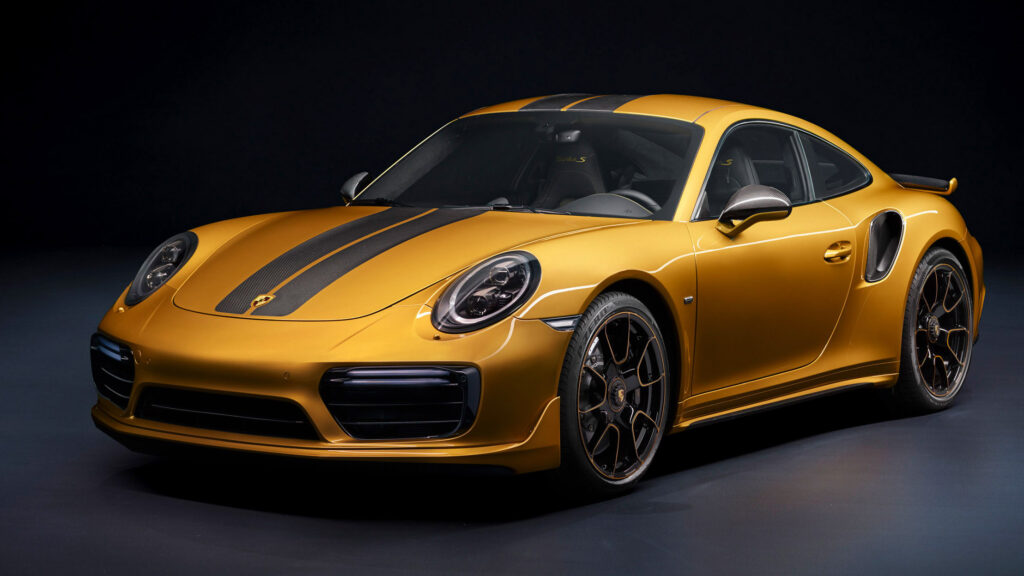
Porsche has patented an innovative technology for the vehicle’s external body panels that allows them to change color electronically. This system can, for example, automatically add racing stripes in different driving modes. Furthermore, for future electric vehicles, it could serve as an external indicator of the battery charge level.
End of a Tough Choice
For decades, car enthusiasts have faced a dilemma: order a sports car with additional visual elements, such as racing stripes, or without them. Changing the decision after purchase has always been difficult and expensive, as the process of applying or removing stripes requires meticulous manual labor or significant costs for professional services.
Future Porsche owners may not have to make this choice once and for all. The new patent will allow them to switch between a mode with stripes and without them at the push of a button.
How Does the System Work?
According to the published patent application, Porsche’s system uses an “actively controlled, optically variable coating” applied to the external body panels. When voltage is applied, this coating changes its appearance.
The company notes that the technology could be based on so-called electronic paper or paramagnetic coatings, both of which are capable of changing color under the influence of electricity.
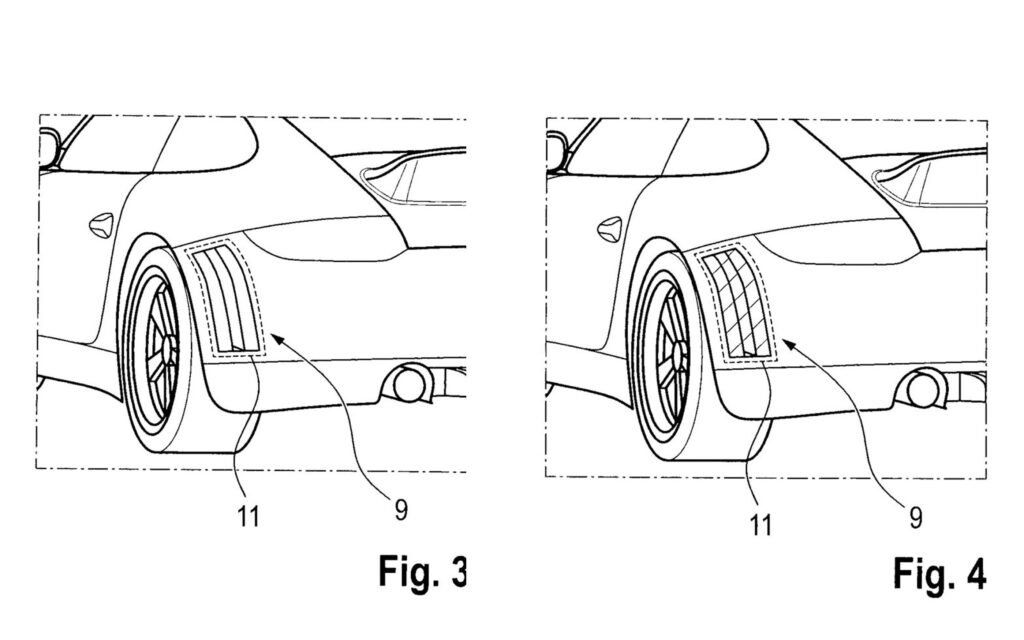
Similar technologies already exist but are applied differently. Many automakers use them for glass panels, allowing passengers to make the glass transparent or opaque on command. The key change from Porsche lies in applying this technology directly to body elements. According to the patent, “racing stripes” can appear on the car when the sport mode is activated. Additional accents could also be illuminated around areas such as the diffuser or side skirts behind the rear wheels.
Functional Benefits: Not Just Aesthetics
Porsche emphasizes that the idea has not only a cosmetic character but also practical value. The company notes that racing stripes could help identify one car from another during competitions, especially when several identical models are on the track simultaneously.
Moreover, this same coating could serve the role of an external battery charge indicator for electric vehicles.
Instead of opening an app or looking at the instrument panel, owners will be able to glance at the car and instantly know how much charge is left.
The panel could glow green when the battery is almost full, yellow when the charge is low, and red when it is almost empty.
Future of the Technology
For now, there is no way to know for sure if and when Porsche will give the green light to this idea. However, this is exactly the kind of technology we are seeing more and more often at the forefront of the automotive industry. Sooner or later, someone will likely put it into series production. It remains to be hoped that Porsche will implement this development and allow other automakers to license the technology.
This development opens up a whole spectrum of possibilities for car personalization and interaction with it. From changing the external appearance according to the driver’s mood to useful functions such as charge indication, the technology blurs the line between static design and a dynamic interface. Such innovations could significantly impact the accessories and tuning market, as well as safety on racetracks, where quick car identification is critically important. This is another step towards making the car a true extension of the driver’s digital environment.