 by
by Key news points
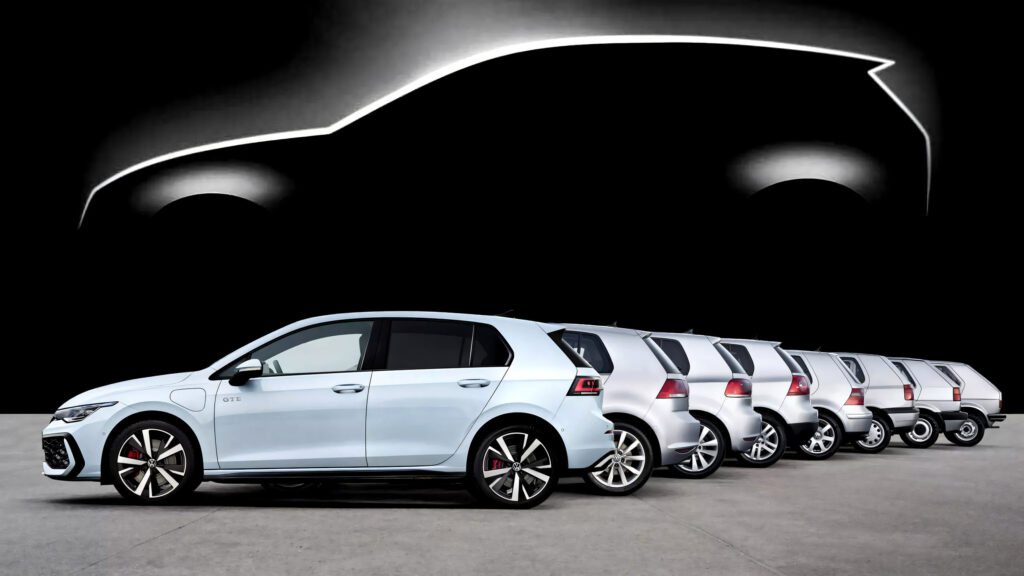
Volkswagen planned to launch the ninth generation of the Golf in 2028, introducing it for the first time as an electric vehicle. However, the brand announced that this will not happen, partly due to the desire to give VW enough time to avoid problems with a mass-market model, as happened with the original ID.3.
Speaking at the Financial Times Future of the Car Summit in London, VW brand CEO Thomas Schäfer stated:
“We have a great lineup, so we don’t need an electric Golf in 2028. We are well provided for with what we have in our portfolio.”
Delay due to new platform
Schäfer did not give an updated timeline for the new Golf, but it is likely not to be expected before 2030. The delay is partly related to the launch schedule of the new Scalable Systems Platform (SSP), which is set to replace the MEB architecture used in current VW electric vehicles.
Golf with Rivian technologies
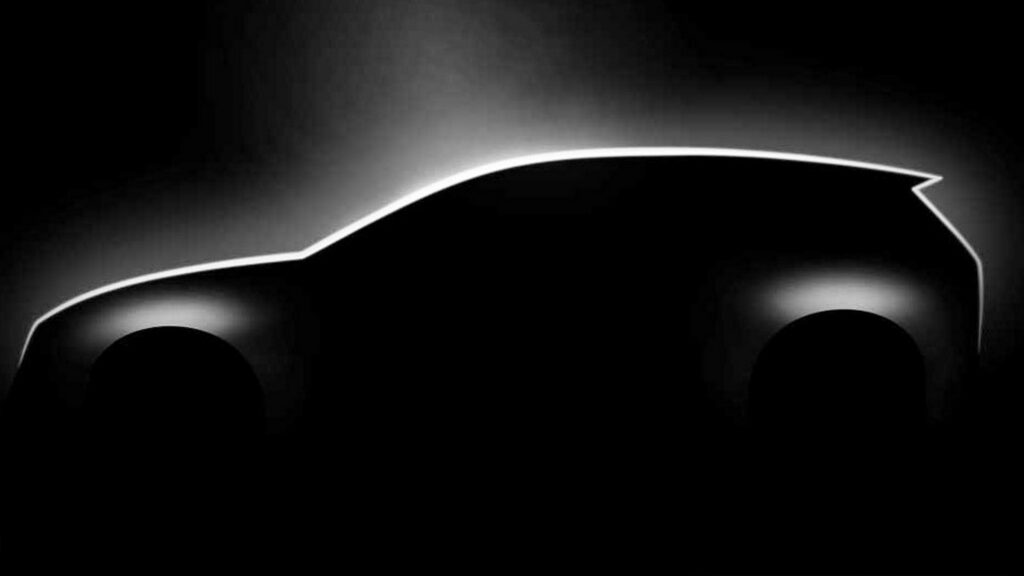
This platform will initially be used by Audi, then appear in Porsche models, and subsequently form the basis for VW vehicles. The slow implementation schedule of the platform is due to the integration of an 800-volt system and the use of software developed jointly with Rivian. As Automotive World notes, the use of this new zonal software on a popular model like the Golf cannot be rushed.
What VW offers now
Meanwhile, VW has plenty of offers for those looking for a small and affordable electric vehicle. The company recently introduced the new ID.3 Neo and ID. Polo models, and plans to launch the electric ID. Cross later this year, followed by the ID. Tiguan. Additionally, the current Golf is not going anywhere: its production will move from Wolfsburg, Germany, to a plant in Mexico in the middle of next year.
Importantly, the current Golf will remain in production alongside the fully electric ninth generation. However, the current model will be updated to visually resemble an electric vehicle.
Thus, VW is deliberately postponing the launch of the electric Golf to avoid the technical shortcomings that accompanied the debut of the ID.3. The company is betting on a gradual introduction of the latest technologies, including the collaboration with Rivian, which should ensure high software quality. Simultaneously, VW is expanding its lineup of affordable electric vehicles to maintain its market position until the flagship model arrives. The relocation of current Golf production to Mexico also indicates cost optimization and preparation for the future electrification of the model range.