by
by The automotive industry has focused for years on monthly payments rather than the total cost of a car, and now it’s time to pay the price. Americans owe about $1.7 trillion on auto loans, and the number of vehicle repossessions has returned to levels last seen during the Great Recession of 2007–2009. Lenders are increasingly seizing vehicles from borrowers who simply cannot meet their financial obligations. The responsibility for this does not lie with the repossession industry, financial institutions, or irresponsible buyers.
Economic Causes of the Crisis
A recent investigation by The New Yorker highlighted many dramatic human stories related to vehicle repossessions. However, behind these individual cases lies a purely economic trend. According to the report, only two out of ten new cars and four out of ten used cars are purchased with cash. The rest of the buyers are forced to take out loans. This is entirely logical given that the average price of a new car last year exceeded $50,000. Since 2019, the average monthly car payment has increased by approximately $300.

Longer Loans, Larger Payments
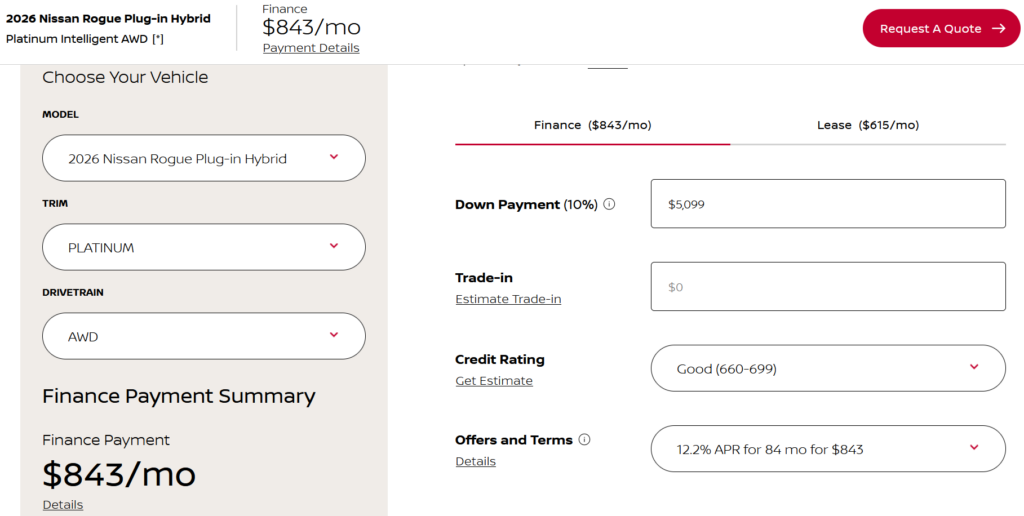
Rising costs are reshaping the market. Approximately one in five new car buyers now has a monthly payment exceeding $1,000. Meanwhile, lenders continue to offer loans with terms of up to 96 months. Eight years was once a rarity, but today it is becoming common practice as consumers strive to make expensive cars more affordable.
As one veteran of the auto repossession industry noted in conversation with The New Yorker: “They’ll pull you into credit, whether you can afford it or not.”
Of course, extending the loan term does not reduce the total cost of car ownership; on the contrary, it usually increases over the entire period. Added to this are rising insurance premiums, higher repair and parts costs. Fuel prices remain volatile, and due to the war in Iran, they are likely to be high on average for several months, recently exceeding $5 per gallon in some regions, with diesel costing even more. When family budgets tighten, even borrowers who initially met lending requirements may find themselves in a difficult position.
Subprime Borrowers Suffer the Most
Unsurprisingly, subprime borrowers are suffering the most. The delinquency rate among these consumers has reached its highest levels since 2010. Many rely on independent finance companies or dealers operating on a “buy here, pay here” basis, which set higher interest rates and often act more aggressively in the event of missed payments. Such lenders typically require weekly or bi-monthly payments, and in some cases, even a single missed payment can trigger a repossession order.
For many households, transportation remains a necessity. In a significant portion of the country, losing a car means losing access to work, education, healthcare, and daily necessities. As the National Consumer Law Center noted:
“For those living on low incomes or in rural areas or other regions poorly served by public transit, survival often depends on having a car.”
Buyers looking to avoid repossession have fewer and fewer reliable options. Until the affordability situation improves, buyers will have to adapt, as there is no indication that lenders or automakers intend to initiate changes in the market.
This situation is a warning sign for the entire economy. The rise in debt and vehicle repossessions indicates a deep structural problem where financial instruments designed to make cars more affordable are actually driving consumers into a debt trap. Further increases in fuel prices and the general rising cost of living only intensify this pressure. If the trend continues, it could lead to an even greater reduction in consumer spending and a general economic slowdown, as the automotive industry is one of its key drivers.