 by
by Californians vs. AI at the Pump
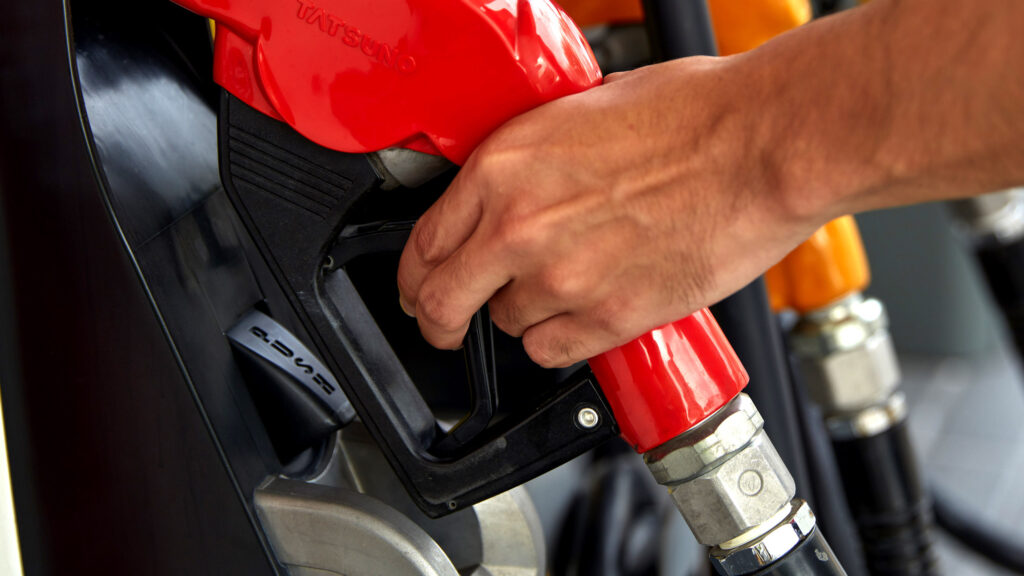
California is known for many things, but few annoyances compare to gas prices, which are already among the highest in the country. As of today, regular gasoline costs $5.56, mid-grade is $5.788, and premium is $5.95. Now, a group of residents claims that the state’s major gas station operators used shared pricing software to coordinate their prices at the pump, potentially skimming millions of dollars from drivers a few cents at a time.
If these allegations are proven in court, the case could become one of the most significant legal tests of the growing role of artificial intelligence in price setting.
Who is named in the lawsuit
The lawsuit, filed in federal court in Sacramento on June 22 and first reported by Bloomberg, names Walmart, Marathon Petroleum, BP, 7-Eleven, and fuel pricing software provider Kalibrate Fuel Systems. According to the plaintiffs, over 1,700 California gas stations used Kalibrate’s AI-based pricing platform to automatically adjust fuel prices, using confidential market data shared among retail participants.
The lawsuit alleges that the system helped operators raise gasoline prices by 22 cents per gallon and diesel prices by 33 cents per gallon. The plaintiffs claim that each additional cent added to the fuel price costs California drivers approximately $134 million per year.
“While families struggle to afford trips to work, the defendants conspired to end competition by creating an AI-based cartel that ensures no matter where a driver turns, the price of gasoline will be artificially inflated,” the lawsuit states, according to The Guardian.
First test of California’s new law
At the heart of the case is California’s recently enacted law AB 325, passed in 2025, which prohibits the use of shared pricing algorithms that could facilitate anticompetitive behavior. This lawsuit is believed to be one of the first major legal challenges brought under the new legislation, seeking damages on behalf of drivers who allegedly overpaid at the pump.
All of this comes weeks after California authorities issued subpoenas to several gas station operators as part of an investigation into high fuel prices. For now, the allegations remain unproven. For its part, Kalibrate states on its website that “each retailer’s AI instance is completely separate, with no shared data or models and no interaction between competitors.”
Representatives from Walmart said they are “reviewing the complaint and will respond appropriately in court.” BP declined to comment. Marathon, 7-Eleven, and Kalibrate did not respond to requests for comment.
Photo: Kalibrate, Shell
This lawsuit is landmark not only because of the potential damages involved but also because it challenges the very concept of using artificial intelligence for pricing in highly concentrated markets. If the court rules in favor of the plaintiffs, it could force many companies to reconsider their algorithms and lead to tighter regulation of dynamic pricing technologies not only in California but also in other states. At the same time, the defense will likely emphasize that each retailer uses a separate AI “instance,” making direct collusion impossible, and that price increases may be driven by objective market factors such as oil costs and logistics. Further developments in this case will be closely watched by both consumer advocates and technology companies.