 by
by EV market begins to stabilize after tax incentives were scrapped
There was no doubt that the market would suffer a downturn after federal tax credits for electric vehicles ended. What was somewhat unexpected was how harsh the start of 2026 was. However, new sales data suggests the market is beginning to stabilize.
April registration figures: slowdown in decline
New registration figures from S&P Global Mobility, first reported by Autonews, show that 89,147 electric vehicles were registered in April. This is 9.8 percent less compared to the same month last year. While this may sound negative, it is a significant improvement compared to the first quarter, when EV registrations fell by 41 percent in January, 37 percent in February, and 25 percent in March.
Overall, April showed the best EV registration result since the start of the year. For several months, the industry has been digesting the loss of the $7,500 federal tax credit, which spurred a rush before its disappearance and left a “hangover” in its wake. Now analysts say the market is beginning to normalize.
“We are seeing gradual growth,” said S&P Global Mobility analyst Tom Libby. “From that perspective, I think this is a healthier market.”
Tesla regains leadership
Tesla played a major role in April’s recovery. Brand registrations rose by 13 percent, reaching 45,800 vehicles, giving the company a commanding 51 percent share of the US EV market, compared to 41 percent a year earlier. The star of the show was undoubtedly the Model Y, which showed a stunning 61 percent increase — to 31,001 registrations. Meanwhile, registrations of the aging Model S and Model X also rose, despite both models being discontinued.
April 2026: US EV registrations
| Brand | April 2026 | Change vs. April 2025 |
| Tesla | 45,800 | +13% |
| Chevrolet | 5,890 | –36% |
| Hyundai | 4,936 | +3% |
| Ford | 4,033 | –27% |
| Cadillac | 4,020 | +5.1% |
| Rivian | 3,537 | +5.5% |
| Toyota | 3,524 | +225% |
| BMW | 2,517 | –49% |
| Kia | 2,456 | +44% |
| Subaru | 1,959 | +99% |
| Honda | 1,545 | -19% |
| Lexus | 1,345 | +107% |
| GMC | 1,247 | –40% |
| Lucid | 1,073 | +42% |
| Mercedes-Benz | 985 | –59% |
| Volkswagen | 740 | –26% |
| Volvo | 735 | –42% |
| Porsche | 618 | -46% |
| Audi | 354 | -83% |
| Nissan | 335 | -90% |
| BrightDrop | 318 | +336% |
| Polestar | 314 | –42% |
| Zeekr | 292 | – |
| Genesis | 119 | –69% |
| Ram | 96 | – |
| Dodge | 94 | –90% |
| Jeep | 81 | –94% |
| Mini | 72 | –79% |
| VinFast | 32 | –83% |
| Rolls-Royce | 24 | –29% |
| Fiat | 20 | –87% |
| Acura | 15 | –99% |
| Fisker | 11 | –56% |
| Maserati | 6 | +200% |
| Jaguar | 4 | –91% |
Source: S&P Global Mobility / Autonews
Winners and losers: who gained and who lost
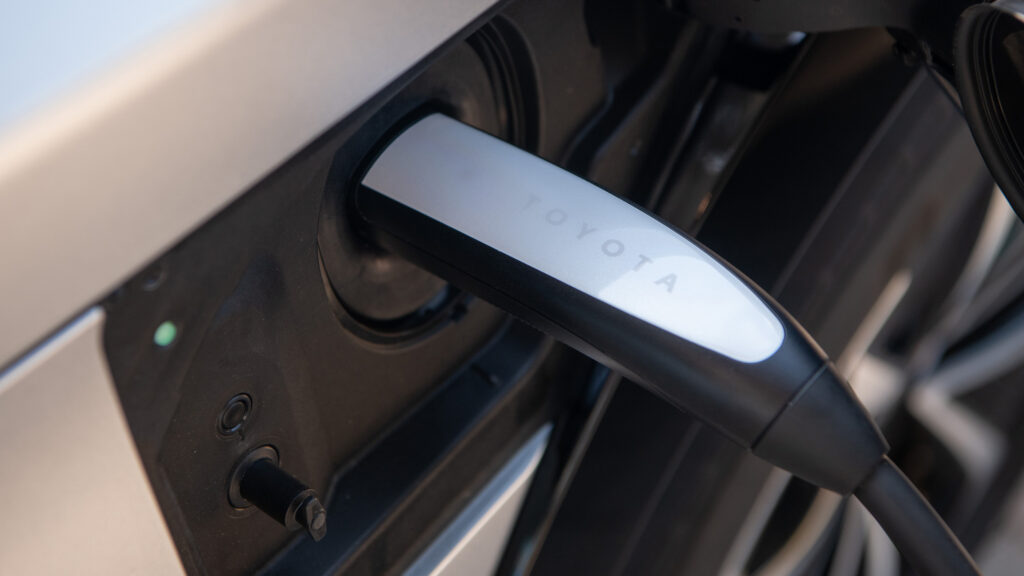
Looking at other market players, clear winners and losers can be seen. Toyota EV registrations rose by 225 percent thanks to the bZ models and the new C-HR EV, while Lexus climbed 107 percent and Subaru nearly doubled its volumes. Kia also had a successful month, helped by a 225 percent increase in EV9 registrations and an 11 percent increase in EV6 sales.
On the other hand, Chevrolet remained the second-largest EV brand in the country, but its registrations fell by 36 percent. Ford lost 27 percent, while BMW volumes shrank by 49 percent. Further down, the situation worsened: Nissan and Dodge fell by 90 percent, Jeep by 94 percent, and Acura nearly disappeared with a -99 percent figure, dropping to just 15 registrations.
This dynamic makes it clear that we are not yet seeing a cohesive EV market. Hybrids, plug-in hybrids, and internal combustion engine vehicles still occupy a significant market share, and many automakers are also slowing down their EV plans. The second half of the year should give everyone a better idea of what to expect in 2027 and beyond.
April data suggests that the US EV market is gradually adapting to the new realities after the repeal of tax incentives. Although the overall decline in registrations continues, its pace has slowed significantly, indicating a possible bottom and the start of a recovery. Particularly telling is Tesla’s rebound, which not only increased its own sales but also strengthened its dominant market share. At the same time, the success of brands like Toyota, Lexus, and Subaru demonstrates that consumers are still interested in electric vehicles but prefer new models from traditional manufacturers. The sharp drop in sales for many other companies, especially Nissan, Dodge, and Jeep, underscores that the market remains fragmented, and not all players will be able to compete successfully in the absence of government incentives. Further developments in the second half of the year will show whether the EV market can find a new equilibrium and continue growing without federal support.