 by
by Volkswagen blocks Home Assistant integration: owners demand answers about their right to data
Modern cars are capable of amazing things. They can pre-heat the cabin before you leave work, start charging when electricity tariffs are lowest, and even coordinate with your smart home. The problem is that many of these functions work only because your car constantly communicates with servers controlled by the manufacturer. Now some Volkswagen owners are learning what happens when that connection changes.
Users of the popular open-source platform Home Assistant report that Volkswagen car integrations suddenly stopped working after a recent change in the automaker’s authentication system. Home Assistant is a self-hosted smart home platform that allows users to connect and automate everything: from thermostats and lights to electric vehicle charging stations and the cars themselves.
Volkswagen owners used it to create automations that went far beyond the company’s official app. They set up charging only when rooftop solar panels generated excess energy, adjusted charging schedules based on electricity prices, and triggered custom notifications about charging start or completion. Now this functionality appears to be completely gone due to changes on VW’s side.
Lawyer speaks out
This dispute quickly caught the attention of right-to-repair advocate and video blogger Louis Rossmann, who argues the issue is not really about Home Assistant.
This is your car. This is your data, — Rossmann said, discussing the situation.
Rossmann also questioned the entire connected car model used across the industry.
Who decided that the car should send its data only to the manufacturer’s server? They did, — he noted.
Rossmann particularly emphasizes that many automations Volkswagen owners created through Home Assistant are not available in the company’s official software.
We reached out to Volkswagen to ask whether the change was intentional, whether it was made for security reasons, and whether the company plans to provide an official path for third-party integrations in the future.
History repeats itself
This is not the first time a conflict between automakers and smart home enthusiasts has made headlines. In 2023, Home Assistant dropped support for Mazda cars after a developer received a cease-and-desist letter and a DMCA takedown request from Mazda. At the time, Home Assistant criticized the move and pointed to automakers taking a more open approach, including Tesla’s official API and Audi’s support for the Home Assistant app.
This is what makes the Volkswagen situation particularly interesting. Audi, a brand within the Volkswagen Group, previously supported Home Assistant integration. Apparently, VW did too. Now owners are asking themselves whether access to their car’s data is slipping out of their hands.
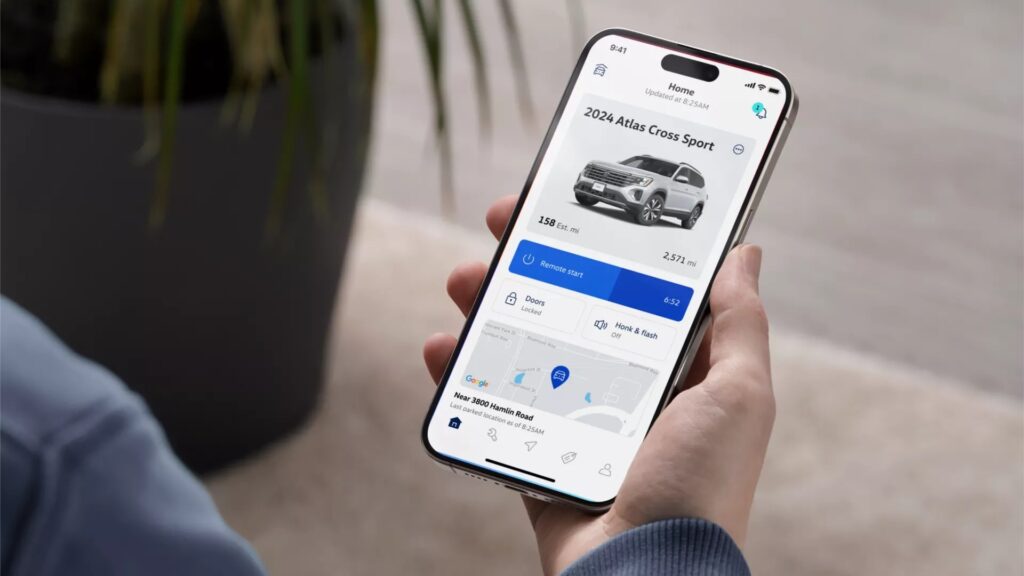
This incident highlights a deep problem in the modern automotive industry: who actually controls the data that a car generates? While manufacturers often emphasize safety and security, actions like blocking Home Assistant raise concerns about monopolizing access to information. Car owners who invest significant money in technology may find themselves in a situation where their ability to use their own property is limited by decisions made behind closed doors. This also raises questions about the future of smart cars: will they truly be tools that empower owners, or will they remain closed ecosystems where the manufacturer always has the last word?