 by
by Key factors behind the decline in sales
Before the COVID-19 pandemic, new car sales in the U.S. typically grew each year or at least held steady. Now the situation is changing, and the market may never return to previous heights, including the 2016 peak when sales reached 17.6 million — a record that has yet to be surpassed.
Market decline forecast
A recent analysis by the consulting firm Bain & Company suggests that annual car sales in the country could decline by 2 million units by 2040. Several factors could cause this decline, and none of them are good news for automakers.
Demographic changes
First, the birth rate is falling. Last year, the fertility rate in the U.S. was approximately 1.6 births per woman, below the replacement level (2.1). Immigration levels partially offset this difference, but restrictive immigration policies may become the norm over the next 15 years, gradually reducing net migration. As the population shrinks, demand for new cars will also decrease, reports CNBC.
Changing youth behavior
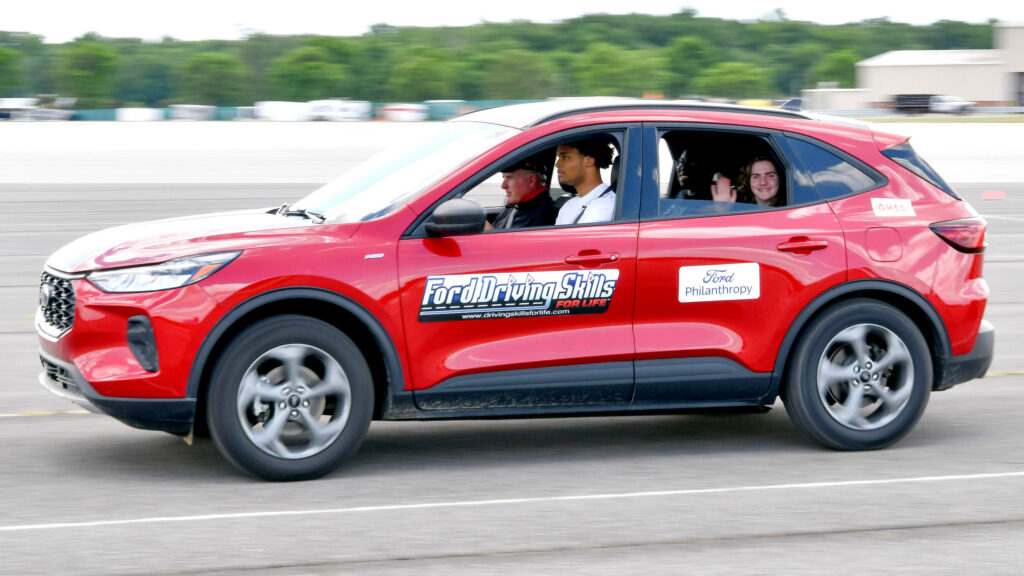
Consumer behavior has also changed. Between 1966 and 1984, about 70 percent of 16-year-olds in the U.S. had a driver’s license, but now that figure is around 50 percent. Accordingly, the share of new car registrations among people aged 18 to 34 has fallen from 12 percent at the beginning of 2021 to 10 percent last year. This is largely due to the fact that new cars are now much more expensive than in the past.
Rising popularity of ride-hailing services
In the future, as AutoForecast Solutions notes, young people will increasingly rely on ride-hailing services like Uber or Lyft rather than owning their own car. Additionally, robotaxi services could reduce the overall share of the licensed U.S. population by 3 percent, to about 85 percent. According to this firm, new car sales may remain relatively stable at around 16 million annual units until 2033.
“We already know how many people were born and how many will reach driving age in 16 years,” said Marc Gottfredson, a partner at Bain & Company. “And so we can say with high confidence that by 2040 we will see a certain decline in the U.S.”

These trends point to a fundamental shift in the structure of the automotive market. The combination of demographic decline, rising car costs, and the spread of alternative transportation services poses a serious challenge for traditional automakers. While short-term forecasts remain relatively stable, the long-term outlook will require companies to adapt to a smaller market and changed consumer preferences, as more people increasingly opt for mobility without car ownership.