 by
by Rising Pedestrian Fatalities: Are Large Vehicles to Blame?
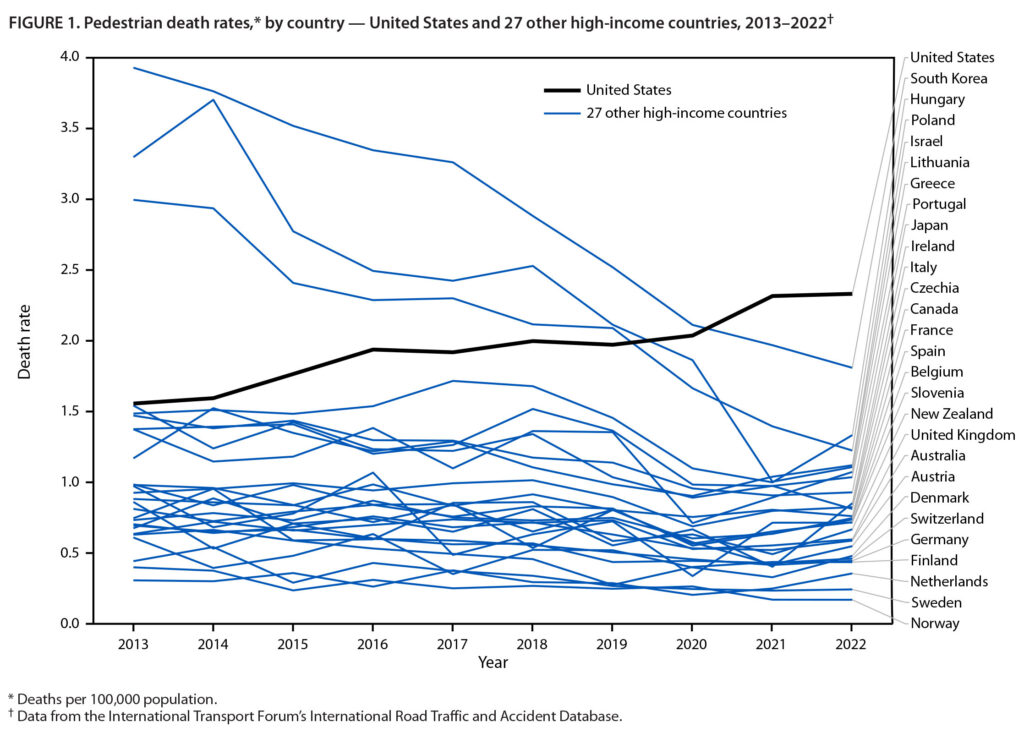
In 2008, it seemed that technology was steadily improving pedestrian safety on the roads. However, a new trend emerged in 2009. The number of fatalities began to rise, with the annual number of pedestrian deaths increasing by approximately 75 percent. Now, a new analysis points to one likely cause: trucks and SUVs that have become taller than necessary. The puzzle is that most other wealthy countries have not recorded similar spikes, casting doubt on simple explanations like smartphone use.
The Impact of Hood Height on Fatality Statistics
According to an investigation by the New York Times, which analyzed federal crash records, vehicle size data, registration information, and crash test results, the growing popularity of pickup trucks and SUVs may be responsible for an additional 200–400 pedestrian deaths each year. Researchers estimate that about 3,000 fatalities between 2016 and 2024 may be linked to the increase in hood height compared to vehicles from the early 2000s.
This annual range represents roughly 10 percent of the recent increase, and the figure of 3,000 is conservative, as it does not account for crashes in parking lots, yards, and on private roads that never enter the federal database.
The Physics of Collision: Why Tall Hoods Are More Dangerous
Part of the problem is related to physics. When hoods become taller, they increasingly strike pedestrians above their center of gravity. Instead of rolling onto the hood, which is the safest outcome in an already bad scenario, victims are more often thrown downward onto the asphalt.
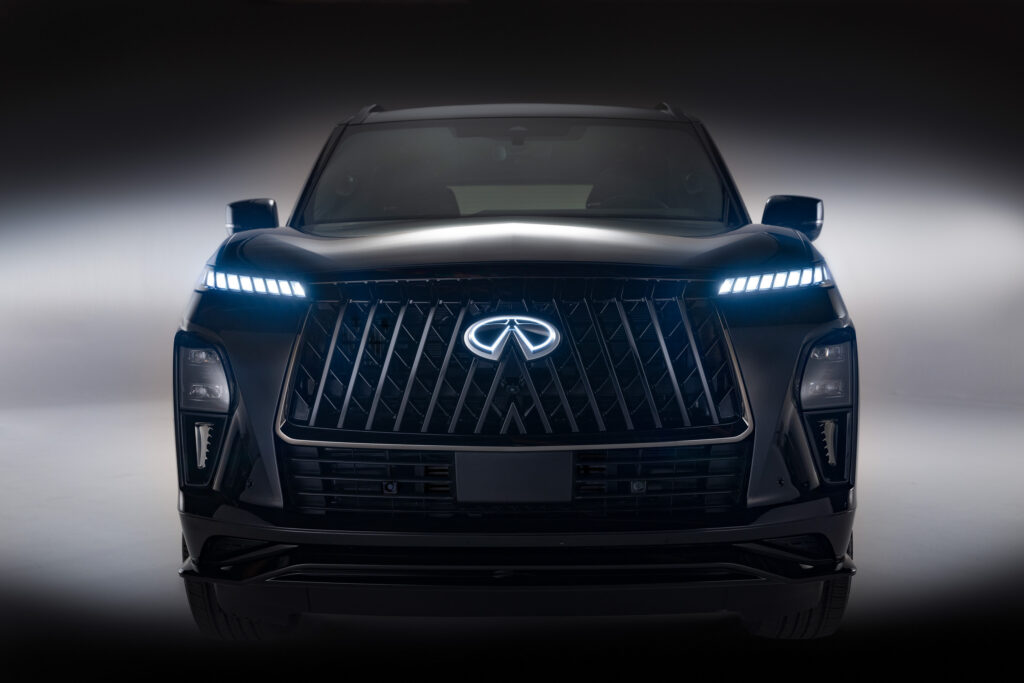
For scale: a sedan’s hood is typically less than 30 inches from the ground, while a modern pickup truck averages about 45 inches and usually strikes a person at chest level rather than below the waist. Even an ordinary car now has a hood about three feet high, enough to knock down anyone shorter than 5 feet 6 inches, which is roughly half the country’s adult population.
Blind Spots Are Getting Bigger
“We see a lot of devastating collisions even at low speeds because the pedestrian is thrown forward,” said Sean Harrington, whose company Forensic Rock conducted crash tests for the analysis. “Before the driver realizes what happened, the pedestrian’s head is already under the wheel.”
This brings us to another major problem with trucks and SUVs of this size – visibility. Part of the blame lies with a 2009 safety rule that required roofs to withstand a weight three times the vehicle’s weight. To meet this requirement, many automakers made the A-pillars framing the windshield thicker. This solution protected occupants during rollovers but created wider blind spots for drivers.
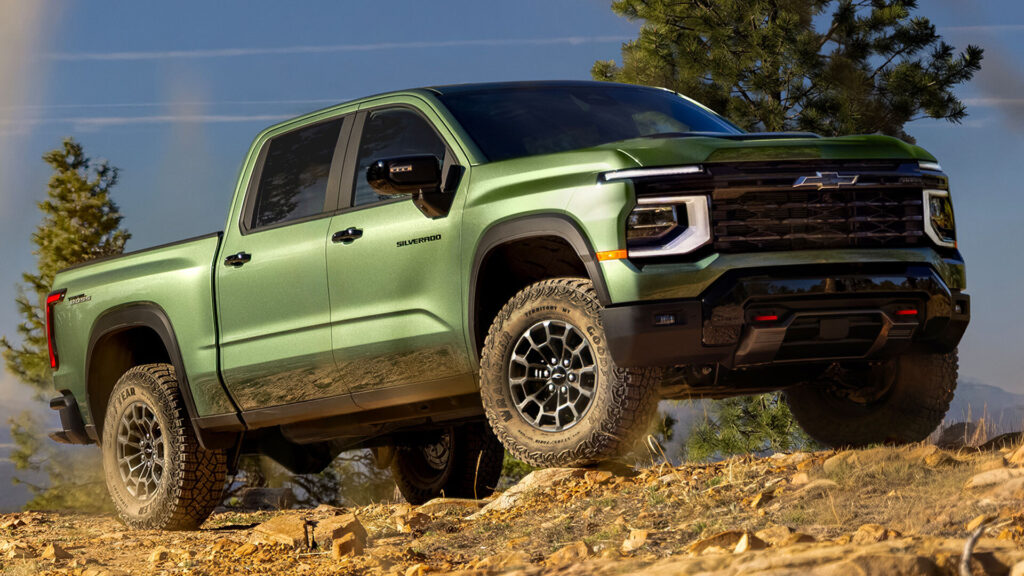
Researchers found that blind spots in popular pickup trucks have grown significantly over the past two decades. According to their analysis, the blind spot on the Chevrolet Silverado nearly doubled, while the GMC Sierra and Toyota Tacoma showed increases of about 60 percent. The F-150 showed the smallest growth – about 25 percent – among the four trucks measured.
Automakers argue that advanced safety technologies, such as automatic emergency braking, external cameras, and pedestrian detection systems, can help reduce the number of accidents. Researchers and safety advocates counter that electronic systems are not foolproof and that direct visibility remains critical, especially when children, shorter adults, cyclists, or pedestrians suddenly find themselves in a vehicle’s path.

Why Automakers Keep Building Them
Here is the strangest part. None of this is shocking or unexpected. Year after year, study after study finds the same data. The reality is that the market for trucks and SUVs in America has created a trade-off. Larger trucks and SUVs offer more space, capability, and, unsurprisingly, maximum profit for automakers. The average price of a full-size pickup truck is now approaching $70,000, double the price of a sedan, even though it costs only slightly more to assemble. This explains why these trucks provide nearly all of the industry’s profits. Ford alone saw its car sales drop from over a million in 2017 to less than 100,000 by 2022.
But as hoods rise and visibility shrinks, researchers say the unintended consequences are becoming increasingly difficult to ignore. The resurgence of sedans and station wagons cannot come soon enough – assuming it happens at all.
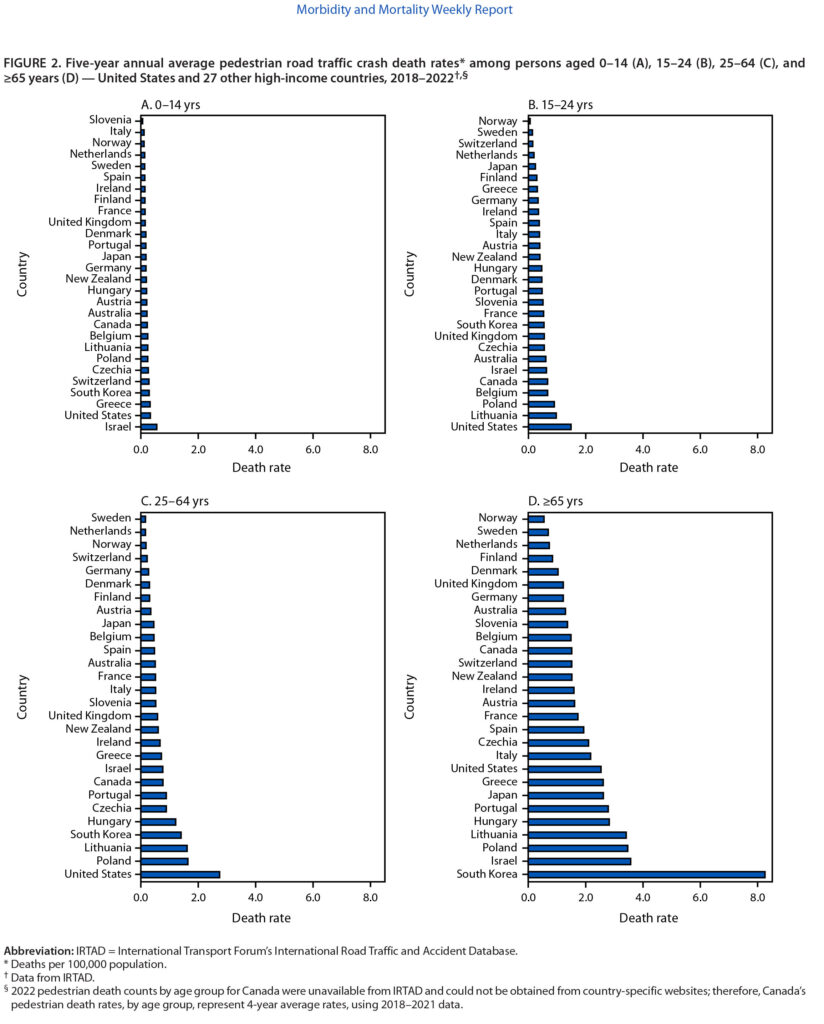
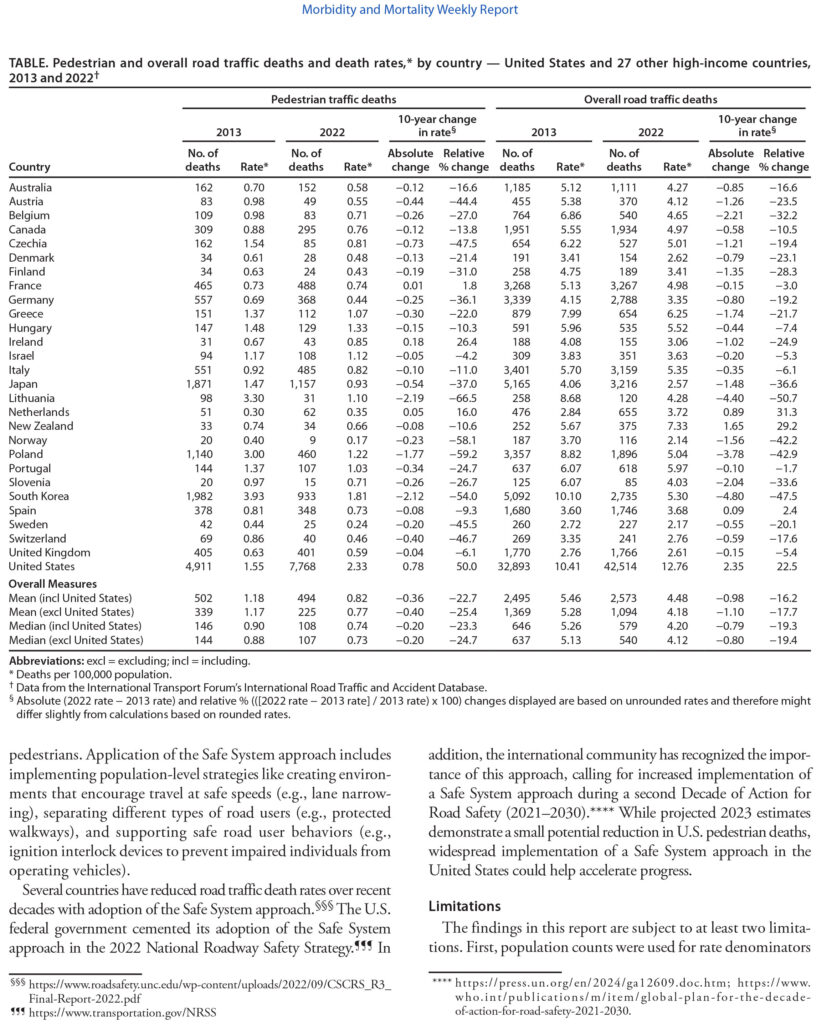
This situation requires a comprehensive approach. While safety technologies are constantly improving, they cannot fully compensate for design flaws that increase risk to pedestrians. The economic incentives for producing large vehicles are extremely powerful, making industry change slow. Perhaps the future lies not just in a return to smaller cars, but in rethinking design where the safety of all road users, not just occupants, becomes a priority. Further research and, possibly, new regulatory standards may be key to solving this problem, which costs hundreds of lives each year.