 by
by Jeep 4xe Battery Problems: A New Class Action Lawsuit
The Jeep Wrangler 4xe was one of the most popular plug-in hybrids in the U.S. until Stellantis discontinued its production at the end of last year. However, according to numerous lawsuits, this success came at a hidden cost: defective and, in some cases, dangerous batteries. A new class action lawsuit filed in the U.S. District Court in Detroit adds new accusations.
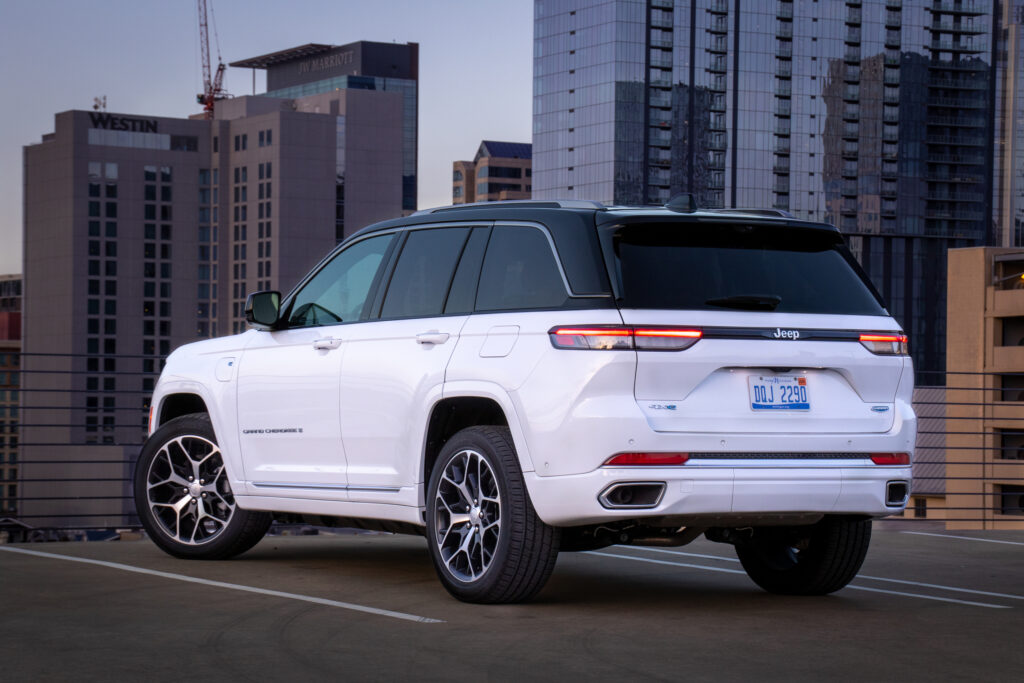
The complaint focuses on lithium-ion batteries manufactured by Samsung for the Wrangler 4xe and Grand Cherokee 4xe models. The plaintiffs allege that the battery cells are defective, Stellantis downplayed the severity of the problem, and recalls and repair measures were too slow. The lawsuit also claims that Stellantis chose to discontinue the 4xe lineup last year rather than perform engineering work to fix the defects.
The two hybrid Jeeps have already been recalled multiple times due to battery issues. The most serious recall occurred in November, when damage to the separator inside the cells was discovered, increasing the risk of thermal runaway and fire.
Scope of the Problem and Manufacturer’s Response
This recall affected approximately 320,000 Wrangler 4xe and Grand Cherokee 4xe models. While Jeep was developing a fix, owners were instructed to park their vehicles away from garages, carports, and anything that could catch fire.
The lawsuit, filed in Detroit, represents 16 plaintiffs and seeks damages as well as attorney fees due to the battery defects and what is alleged to be Jeep’s inadequate response. The details of the case were first reported by the Detroit Free Press.
Previous Lawsuits and Fire Risks
This is not the first lawsuit against Stellantis this year over battery problems in the 4xe models. In February, another class action lawsuit was filed in a court in Utah. It alleges that Stellantis violated several state and federal consumer protection laws, noting that the vehicles can catch fire even when the ignition is off and while parked.
The situation surrounding the Jeep 4xe hybrids demonstrates the complexity of modern technology and the responsibility of manufacturers. Although Stellantis chose to discontinue the problematic lineup, this does not absolve the company of responsibility towards owners who have already purchased these vehicles. Further litigation could set important precedents regarding warranty obligations and battery safety, as well as force automakers to address problems more thoroughly rather than simply discontinuing models.